
I. The Morning It Began
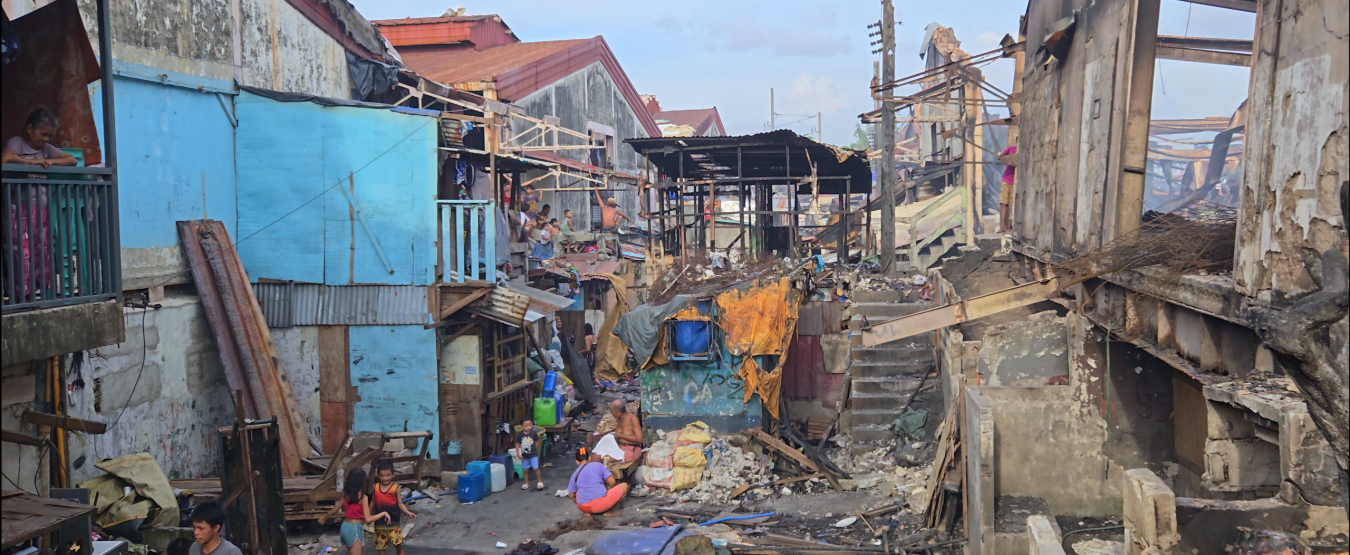
It was an ordinary Wednesday morning in Barangay 105, Tondo until the sirens cut through the humid air. At 9:44 a.m., according to the Bureau of Fire Protection (BFP), flames were reported near Building 9 in the Aroma Compound — a densely populated settlement known locally as Happyland Aroma. Within minutes, the fire surged through rows of cramped homes made of plywood, tin sheets, and recycled materials, driven by a warm breeze and the sheer proximity of each structure.
Residents described the first plumes of smoke as “dark and thick,” rolling over Road 10 and quickly drawing hundreds into the streets. In these tight alleys, every second matters — and every delay costs dearly.

II. Alarm Escalation
The BFP’s response escalated rapidly:
- First Alarm – shortly after 9:44 a.m.
- Task Force Alpha – around 10:17 a.m.
- Task Force Charlie – 10:57–10:59 a.m.
(Some outlets mention a Task Force Bravo stage at 1:33 p.m., but this is inconsistent with official reports and remains unconfirmed.)
For context: a First Alarm signals a standard deployment of firefighting units. Task Force Alpha increases manpower and equipment, while Task Force Charlie calls in resources from multiple districts. In an environment like Aroma, escalation speed is the difference between containing a block and losing an entire neighborhood.
III. Aerial and Ground Response
Dozens of fire trucks converged on the area, navigating streets choked with residents, debris, and stalled vehicles. From above, the Philippine Air Force (PAF) joined the effort, deploying:
- Huey II – 33 sorties
- PZL W-3A “Sokol” – 3 sorties
- S-70i “Black Hawk” – 3 sorties
In total, 39 aerial firefighting missions were conducted, coordinated with BFP and other agencies. Using Bambi Buckets, helicopters doused hotspots unreachable from the ground, a rare but necessary tactic in Manila’s urban firefighting playbook.
IV. Containment and “Fire Out”
The incident’s timeline shows two key moments:
- Under control (contained): around 12:34 p.m. — meaning the fire’s spread had been halted.
- Fire out: between 4:11 and 4:21 p.m. — meaning the blaze was fully extinguished.
The gap reflects ongoing work to stamp out smouldering debris, which in informal settlements can reignite if left unchecked.
V. Human Impact
The toll on residents is still being calculated, and figures vary:
- 3 injured (consistent across reports)
- Families affected:
- 725 (ABS-CBN / Manila Disaster Risk Reduction and Management Office)
- ~900 (Department of Social Welfare and Development evacuation centres)
- 1,500 (Philippine News Agency, Inquirer)
- 4,500 individuals displaced (PhilStar)
“Families affected” includes those displaced or whose homes were damaged by the fire. These numbers are preliminary and subject to official confirmation.
Two main evacuation centres — the Delpan Sports Complex and the Barangay 105 covered court — became shelters within hours. The Local Government Unit (LGU) of Manila and the Department of Social Welfare and Development (DSWD) distributed food packs, bottled water, and hygiene kits. Cash assistance details from the LGU are pending.
For some residents, this was not the first time they had fled Aroma with only the clothes on their backs. “We’ve been here for decades,” one evacuee told local media. “Every big fire feels like starting over from nothing.”
VI. Cause and Context
The cause remains under investigation. Historically, major fires in Aroma have been linked to unattended cooking, faulty electrical connections, or illegal tapping of power lines. The settlement’s high density, narrow pathways, and makeshift electrical systems make it one of Manila’s most fire-prone zones.
This latest disaster has revived calls from housing advocates and urban planners for permanent relocation solutions. Without structural change, they warn, the cycle of destruction will repeat.
VII. The Wider Pattern
Aroma is no stranger to tragedy. Fires in 2014, 2018, and 2021 displaced thousands, each met with promises of rehabilitation. Yet rebuilding often means reconstructing the same vulnerable dwellings, leaving the community exposed to the same risks.
Urban disaster experts note that while firefighting response has improved — particularly with aerial support — prevention remains weak. Community-based fire drills, accessible extinguishers, and legal, safe power connections could reduce the scale of future incidents.
VIII. Recovery and Next Steps
As of this writing, debris clearing is underway, with BFP investigators combing through the site for clues. NGOs have begun mobilising relief drives, and local churches are offering temporary lodging for those unable to fit in evacuation centres.
The City of Manila is expected to issue a final incident report within weeks, detailing:
- Exact number of families affected
- Structural damage count
- Cause determination
- Recommendations for prevention and policy changes
For displaced families, the immediate focus is on rebuilding their lives — finding temporary shelter, replacing lost documents, and re-establishing livelihoods.
IX. Summary at a Glance
| Item | Details |
|---|---|
| Date | 6 Aug 2025 |
| Start Time | 9:44 a.m. |
| Location | Barangay 105, Aroma Compound (near Building 9) |
| Alarm Progression | 1st Alarm → Task Force Alpha (10:17 a.m.) → Task Force Charlie (10:57 a.m.) (Bravo unconfirmed) |
| Control/Out | Under control ~12:34 p.m. / Fire out 4:11–4:21 p.m. |
| Casualties | 3 injured |
| Families Affected | 725–1,500 (provisional); up to 4,500 individuals displaced |
| Aerial Support | 39 sorties (Huey II: 33; Sokol: 3; Black Hawk: 3) |
| Evacuation Sites | Delpan Sports Complex, Barangay 105 covered court |
Share this: